

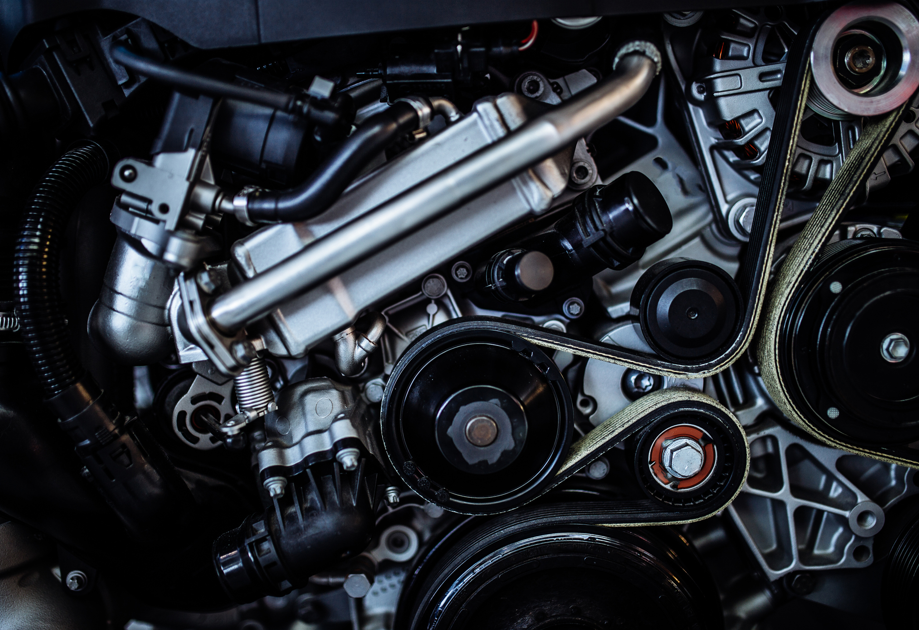
For decades, brackets, fasteners, and structural components have been die-cast in zinc or aluminum by default. Metal was the known quantity — stiff, durable, and understood. But default isn't the same as optimal, and for a growing list of automotive applications, converting die-cast metal to engineered nylon is one of the clearest wins available to an OEM or Tier supplier: lighter parts, lower cost, and performance that holds.
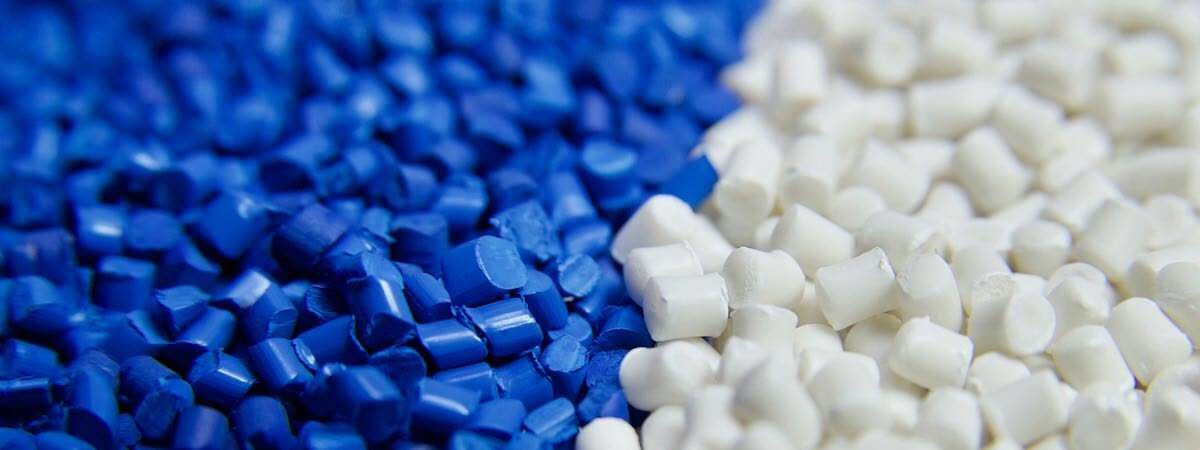
APNA supports these conversions with the LEONA™ SG series, a family of reinforced polyamide compounds developed specifically to take over applications that metal used to own.
The Applications Where Metal Replacement Pays Off
The strongest candidates are structural parts where stiffness and dimensional stability matter but the extreme properties of metal are more than the application actually needs. In recent programs, that has included mirror brackets, fasteners, and a range of structural components — parts previously produced in zinc or aluminum die cast.
The value proposition on these conversions is consistent:
- Lightweighting — a direct contribution to vehicle mass and efficiency targets
- High stiffness — structural performance that meets the application's real requirements
- Moldability — complex geometries produced in a single molding step
- Weatherability — durability in demanding service environments
- Good surface appearance — a finished look without secondary operations
The Cost Story: Up to 30% Reduction
The headline number on metal replacement is cost. Converting a die-cast metal component to LEONA™ SG allows for up to a 30% cost reduction versus the die-cast incumbent. That savings comes from several directions at once: lower material and processing cost, the elimination of secondary finishing steps that metal often requires, and the part consolidation that injection molding makes possible where die casting and assembly once ruled.
For a purchasing or VAVE team, that's a rare combination — a change that reduces cost and weight simultaneously, rather than trading one for the other.
The Performance Story: Engineered to Hold
Cost savings only matter if the part performs, so the LEONA™ SG series is engineered to deliver the mechanical properties these structural applications demand. The compounds pair high stiffness with the moldability needed for complex, consolidated geometries, and the weatherability required for parts that face real-world service conditions over the life of the vehicle.
That's the balance a successful metal-replacement conversion has to strike: enough structural performance to satisfy the engineer, enough cost and weight reduction to satisfy purchasing, and enough moldability and surface quality to satisfy the Tier supplier who has to produce it at volume.
Is Your Part a Metal-Replacement Candidate?
Not every die-cast part should become plastic — but many that are still specified in metal today were designed before compounds like LEONA™ SG existed. If you have a bracket, fastener, or structural component running in zinc or aluminum die cast, it's worth a second look.
Request a material consultation and our application engineers will review your part geometry, load requirements, and incumbent material — and give you a straight answer on the weight and cost you could recover with a LEONA™ SG conversion.
Request a material consultation with APNA's application engineering team today.
Ready to improve the performance of your parts in automotive applications? Contact us today to learn more about how our engineered plastics can power your next project.
Help Us. Help You
Superior Performance. White Glove Service. Unrivaled Support. Learn Why Switching to Asahi Kasei Plastics North America's materials is Stress-Free.




Comments
\