

Engineering Plastics for Powersports: Matching the Right Material to the Application
Powersports vehicles are designed to operate in environments that challenge almost every component.
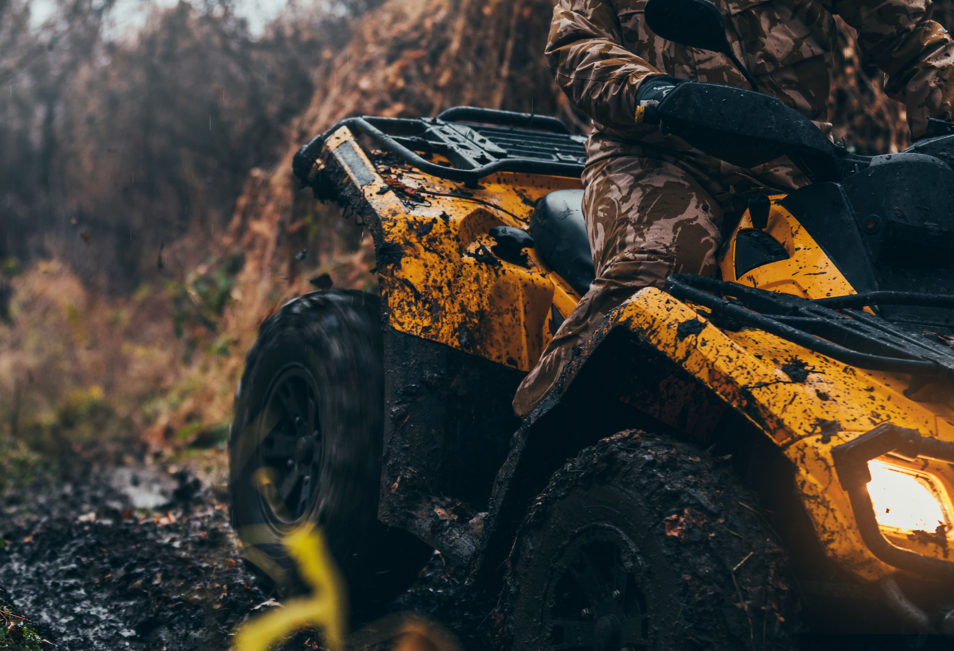
Motorcycles must handle heat, vibration, weather, and tight packaging constraints. ATVs and side-by-sides encounter mud, rocks, impacts, chemicals, and repeated mechanical loading. Snowmobiles add extreme cold, ice, and temperature cycling. Personal watercraft must perform around moisture, UV exposure, chemicals, and corrosive environments.
At the same time, manufacturers are continually looking for ways to reduce weight, simplify production, improve durability, manage cost, and support the growing electrification of powersports vehicles.
Advanced engineering plastics can help address these challenges.
But there is no single “powersports plastic.” The best material depends on where the part is located, what it needs to do, and which environmental conditions it must survive.
Structural and Exterior Components: Finding the Right Balance
Many structural and semi-structural powersports components require a balance of stiffness, toughness, dimensional stability, weather resistance, and low weight.
This creates opportunities for reinforced polypropylene.
Thermylene® filled polypropylene compounds can provide a strong balance of mechanical performance, processability, low density, chemical resistance, and formulation flexibility.
Potential applications include:
- Structural brackets
- Body supports
- Fender structures
- Battery supports
- Underbody components
- Splash shields
- Storage structures
- Exterior carriers and supports
For these types of applications, the goal is not simply to replace another material with polypropylene.
The opportunity is to determine whether the incumbent material provides more performance, weight, or manufacturing complexity than the component actually requires.
In the right application, engineered polypropylene can help reduce weight while also providing opportunities for molded-in features, part consolidation, and efficient injection molding.
Exterior applications require additional consideration. UV exposure, impact resistance, temperature cycling, chemicals, appearance, and long-term weatherability all need to be considered during material selection.
Higher Temperatures Require a Different Material Strategy
Move closer to the engine, motor, or drivetrain and the requirements change quickly.
Components may encounter higher temperatures, vibration, oils, coolants, fuels, mechanical stress, and long-term loading.
For these environments, polyamide materials can provide the additional strength and thermal performance required by the application.
Thermylon® and LEONA™ nylon materials can support applications requiring combinations of toughness, stiffness, heat resistance, chemical resistance, and long-term mechanical performance.
Potential applications can include:
- Engine-area covers
- Cooling-system components
- Fan and air-management components
- Brackets
- Pump housings
- Structural supports
- Motor-area components
The important question is not whether polypropylene or nylon is the “better” material.
It is whether the application actually requires the additional thermal or mechanical performance of nylon.
A component operating at moderate temperatures may be an excellent candidate for reinforced polypropylene, while a more demanding environment may justify PA6, PA66, or another nylon formulation.
Electrification Is Creating New Material Requirements
Electrification is expanding beyond passenger vehicles.
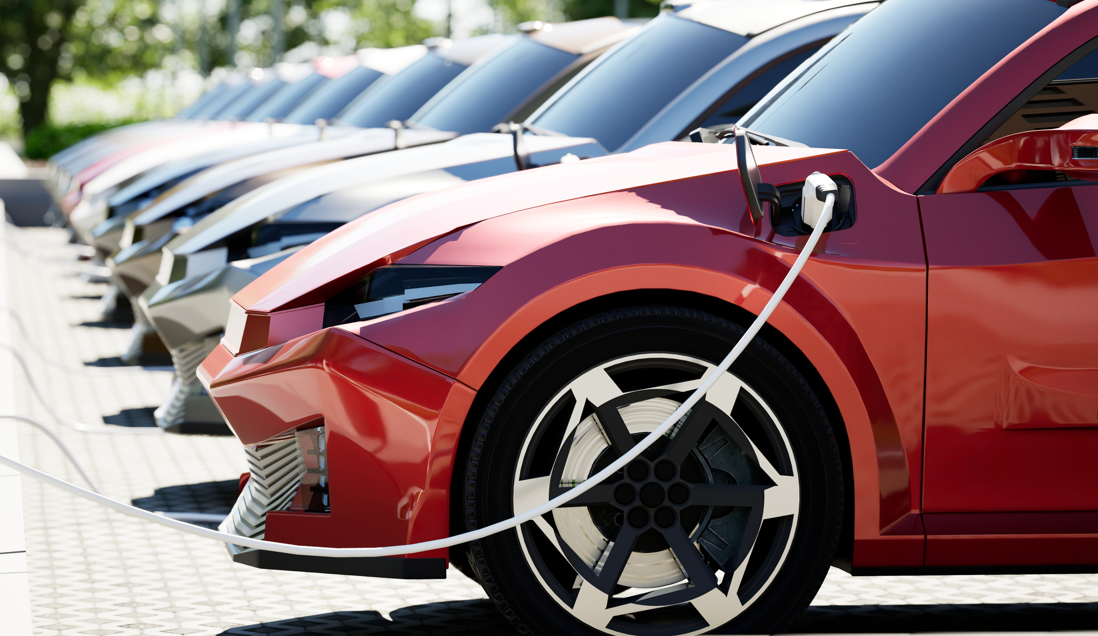
Electric motorcycles and other electrified powersports platforms introduce battery packs, power electronics, high-voltage electrical systems, charging components, connectors, and new thermal-management challenges.
These components often require materials that combine several properties:
- Flame resistance
- Electrical insulation
- Dimensional stability
- Tracking resistance
- Impact performance
- Chemical resistance
- Low moisture absorption
- Low weight
XYRON™ modified PPE can be particularly valuable in electrical and battery-related applications because of its combination of electrical properties, dimensional stability, flame resistance, low water absorption, and low specific gravity.
LEONA™ nylon materials can support other electrical applications where mechanical strength, heat resistance, toughness, and electrical performance need to work together.
These opportunities are already visible in electric powersports.
Asahi Kasei's XYRON™ 443Z is used for the lithium-ion battery cover of the Iso UNO-X electric motorcycle, while LEONA™ 53G33 is used for the motor cover.
The battery-cover application takes advantage of properties including flame resistance, impact resistance, electrical insulation, dimensional stability, electrolyte resistance, and low weight. The motor-cover application requires strong mechanical properties along with low water absorption and hydrolysis resistance.
As electrification expands throughout the powersports market, selecting materials based on the needs of the battery, motor, electrical, and structural systems will become increasingly important.
Rider-Touch Components Have Their Own Requirements
Not every powersports application is structural or electrical.
Handles, consoles, storage areas, trim, and other rider-facing components must withstand repeated contact while maintaining appearance and tactile quality.
Traditional soft-touch surfaces can require painting, coatings, or overmolding, adding manufacturing steps and complexity.
Thermylene® SoForm™ was developed for applications requiring a combination of soft-touch haptics and structural soundness. It can also be tailored for weathering and enhanced scratch resistance.
In suitable applications, SoForm™ may help reduce the need for secondary soft-touch painting or overmolding while allowing the component to be directly injection molded.
This can be useful in high-contact areas where manufacturers need to balance appearance, feel, durability, and processing efficiency.
Personal Watercraft Add the Challenge of Water
Personal watercraft combine many of the structural and mechanical demands of other powersports vehicles with prolonged exposure to water and outdoor environments.
That places additional emphasis on:
- Moisture resistance
- Hydrolysis resistance
- Dimensional stability
- UV resistance
- Chemical resistance
- Mechanical durability
The best material depends heavily on the location and function of the component.
A lightly loaded exterior structure may have very different requirements from a motor-area component, an electrical enclosure, or a part that experiences prolonged contact with water.
This is why material selection should start with the operating environment rather than with a preferred polymer family.
One Vehicle Can Require Several Material Technologies
A modern powersports vehicle may contain hundreds of polymer components, and expecting one resin family to solve every application can lead to unnecessary cost or compromised performance.
A better material-selection process starts by asking:
- What temperatures will the component experience?
- Is the part structural, electrical, mechanical, or cosmetic?
- What loads will it carry?
- Will it be exposed to UV, moisture, fuels, oils, coolants, or cleaning chemicals?
- Is flame resistance required?
- Are electrical insulation or tracking resistance important?
- How important is weight reduction?
- Could the material eliminate painting, coating, machining, or assembly steps?
- Is the incumbent material providing performance the application does not actually require?
Answering these questions can reveal opportunities to improve more than the material itself.
The right resin may also help improve part design, manufacturing efficiency, weight, durability, and total system cost.
Building Better Powersports Components
Whether a vehicle is traveling down a highway, across a trail, through snow, or over water, powersports components must perform in demanding environments without adding unnecessary weight or complexity.
Thermylene® reinforced polypropylene can support lightweight structural and exterior applications. Thermylon® and LEONA™ nylon materials can address higher mechanical and thermal demands. XYRON™ modified PPE can support demanding electrical and battery applications. SoForm™ can bring improved haptics and durability to rider-facing surfaces.
The opportunity is not simply to use more plastic.
It is to use the right engineered material in the right application.
APNA's material and application-development teams can work with powersports manufacturers, molders, and suppliers to evaluate lightweighting, material conversion, electrical performance, durability, and manufacturing opportunities.
Frequently Asked Questions
What plastics are used in powersports vehicles?
Powersports vehicles can use reinforced polypropylene, nylon, modified PPE, POM, and other engineering plastics depending on the application. Material selection depends on temperature, mechanical loading, chemical exposure, electrical requirements, weathering, and other operating conditions.
Can reinforced polypropylene replace nylon or metal in powersports components?
In selected applications, yes. Reinforced polypropylene may provide sufficient stiffness, toughness, dimensional stability, and environmental resistance while offering lower density and efficient processing. Each application still needs to be evaluated based on its technical requirements.
What materials are useful for electric motorcycle battery components?
Battery-related components may require flame resistance, electrical insulation, dimensional stability, impact resistance, chemical resistance, and low weight. Modified PPE materials such as XYRON™ can provide a useful combination of these properties depending on the application.
What should engineers consider when selecting materials for ATVs and side-by-sides?
Important considerations include impact, vibration, UV exposure, temperature, chemicals, moisture, mechanical loading, appearance, part geometry, and manufacturing requirements.
Need help selecting a material for a powersports component?
If you're looking for expert guidance on selecting durable, high-performance materials, our team is available to help. Contact us today to learn more about how our engineered plastics can power your next project.
Help Us. Help You.
Superior Performance. White Glove Service. Unrivaled Support. Learn Why Switching to Asahi Kasei Plastics North America's materials is Stress-Free.


Comments
\