


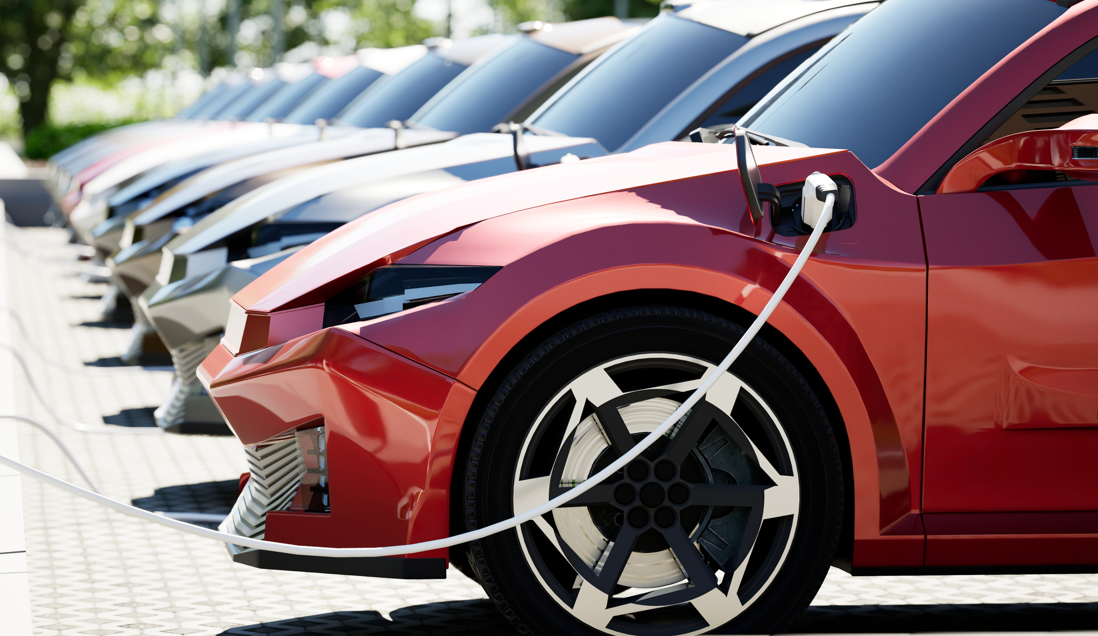
In the rapidly evolving electric vehicle market, battery performance isn't just about chemistry—it's increasingly about temperature management. EV manufacturers know that effective thermal management systems directly impact two critical metrics: driving range and battery longevity. As the industry pushes toward faster charging, higher energy density, and longer warranties, the materials used in thermal management components have become a crucial differentiator.
The Critical Role of Temperature in Battery Performance
Studies show that lithium-ion batteries perform optimally between 20-40°C (68-104°F). Outside this range, several problems emerge:
- At high temperatures: Accelerated degradation, reduced lifespan, and potential thermal runaway
- At low temperatures: Reduced energy output, limited charging capabilities, and decreased range
For EV manufacturers, this creates a complex engineering challenge: designing thermal management systems that maintain optimal temperatures across varied driving conditions, charging scenarios, and climate environments—all while keeping weight and costs manageable.
Material Requirements for Next-Generation Cooling Systems
Modern EV thermal management systems face stringent demands that traditional materials struggle to meet:
- Temperature resistance: Components must withstand continuous exposure to glycol-based coolants at temperatures reaching 130°C in high-performance applications
- Electrical considerations: With high-voltage systems, materials must maintain excellent insulation properties and tracking resistance (CTI)
- Chemical compatibility: Resistance to glycol mixtures, potential electrolyte exposure, and environmental factors
- Weight reduction: Every gram saved contributes to extended vehicle range
- Manufacturing efficiency: Materials must support advanced production techniques including laser welding, overmolding, and automated assembly
Advanced Engineering Plastics: The Key to Superior Thermal Management
The latest generation of specialized polymers is transforming EV cooling system design. These engineered materials offer significant advantages over traditional options:
Multi-Layer Cooling Tubes with LEONA™ PA612 and XYRON™ m-PPE
The combination of modified PPE inner layers with polyamide outer layers creates a cooling tube solution that offers:
- Minimal elution: With electrical conductivity as low as 12 μS/cm after 1000 hours (compared to 84-121 μS/cm in conventional polyamides), these materials minimize the risk of electrical conductivity changes in coolant
- Superior bending properties: The high glass transition temperature (Tg) of the m-PPE inner layer minimizes springback after bending, simplifying installation
- No adhesion layer required: Unlike many competitive multi-layer solutions, these materials can be co-extruded without an intermediate adhesion layer, reducing complexity and cost
- Extended service life: Excellent hydrolysis resistance maintains mechanical properties even after prolonged exposure to glycol mixtures at elevated temperatures
Snake Cooling Solutions with XYRON™ m-PPE
The shift toward cell-to-pack designs and prismatic cells has driven the adoption of "snake cooling" systems that provide direct thermal contact with battery cells. These complex cooling plates require materials with:
- Flame retardancy: Meeting UL94 V0/V1 ratings without compromising other properties
- Processing versatility: Supporting extrusion, thermoforming, and welding for complex geometries
- Dimensional stability: Maintaining precise tolerances even after thermal cycling
- Weight reduction: Enabling thin-wall designs that traditional materials cannot achieve
XYRON™ m-PPE grades provide these properties while offering comparable hydrolysis resistance to PPS at significantly lower weight and cost.
Connector Systems with Enhanced Performance
The connection points between cooling systems and other vehicle components are critical potential failure points. Advanced materials for these applications include:
- LEONA™ polyamide grades (PA66, PA612) that combine excellent hydrolysis resistance with high stiffness and compatibility with laser welding processes
- THERMYLENE® polypropylene compounds engineered for weight reduction while maintaining mechanical properties at operating temperatures below 100°C
Real-World Performance Benefits
Automotive manufacturers implementing these advanced materials in their thermal management systems report significant advantages:
- Extended Battery Warranty Coverage: The improved temperature consistency enables longer battery warranty periods, a key selling point for consumers
- Increased Fast-Charging Capabilities: Better thermal management during rapid charging means less derating and faster overall charging sessions
- Weight Reduction: Component weight savings of 15-30% compared to traditional materials and designs
- Manufacturing Efficiency: Reduced assembly steps and improved process yield
- Enhanced Battery Lifespan: More consistent temperature profiles reduce degradation factors that impact long-term capacity
Looking Forward: Thermal Management for Next-Generation Batteries
As solid-state and other advanced battery technologies move closer to production, thermal management requirements will continue to evolve. The materials used in these systems must adapt accordingly, with ongoing development focused on:
- Higher continuous operating temperatures
- Enhanced fire resistance for new electrolyte chemistries
- Integration with active cooling technologies
- Greater sustainability through recyclable and bio-based content
Conclusion: Material Selection as a Strategic Advantage
For EV manufacturers and tier suppliers, the selection of thermal management materials has evolved from a simple engineering specification into a strategic decision that directly impacts vehicle performance, consumer satisfaction, and warranty costs.
By leveraging advanced engineering plastics like LEONA™ polyamides, XYRON™ m-PPE, and THERMYLENE® polypropylene compounds, manufacturers can develop thermal management systems that not only protect batteries but actively enhance their performance and longevity.
The result? Electric vehicles that deliver consistent performance, longer range, faster charging, and ultimately greater consumer confidence in electromobility.
Want to test Asahi Kasei materials in your EV application? Contact our technical experts today to request a sample or discuss how our formulations can meet your design requirements.
Help Us. Help You.
Superior Performance. White Glove Service. Unrivaled Support. Learn Why Switching to Asahi Kasei Plastics North America's materials is Stress-Free.



Comments
\