

Introduction
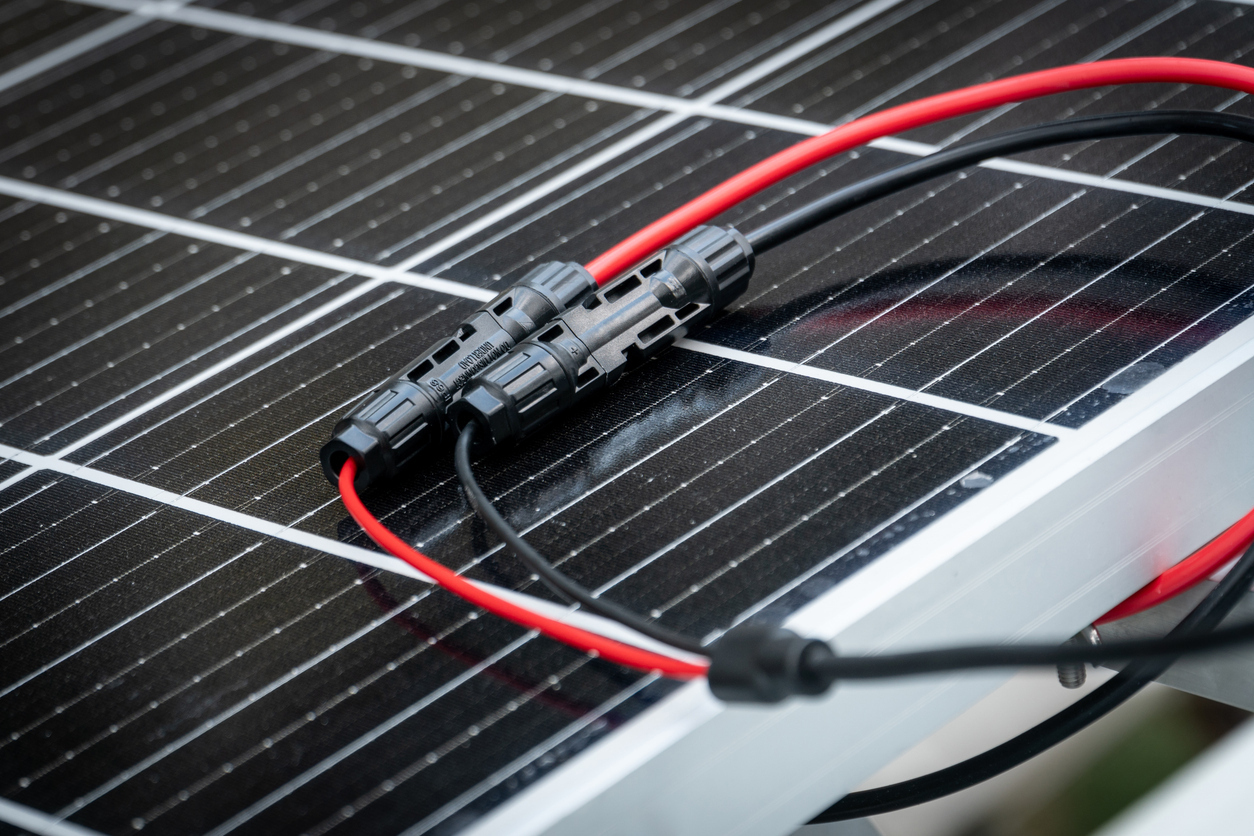
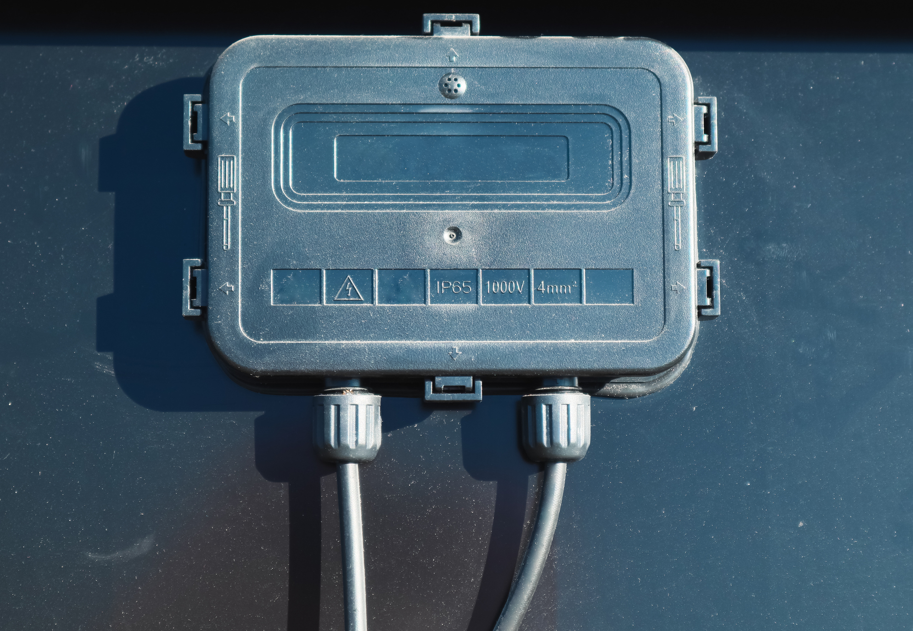
As global demand for renewable energy rises, solar energy systems are expanding rapidly. However, ensuring long-term durability, efficiency, and safety remains a key challenge, particularly when it comes to solar power connectors—the critical components responsible for transmitting electricity within solar arrays.
Without reliable, weather-resistant, and high-performance connectors, solar installations can suffer from efficiency losses, safety risks, and costly maintenance issues. In this blog, we explore common pain points in solar power connector applications and discuss material innovations that enhance performance and longevity.
Key Challenges in Connectors in the PV Solar Market
- Exposure to Harsh Environmental Conditions
Solar power connectors must endure extreme weather conditions, including:
- UV radiation that degrades plastic components over time.
- Temperature fluctuations from scorching daytime heat to freezing nighttime cold.
- High humidity & chemical exposure leading to corrosion and electrical failures.
Solution: Advanced polymer materials with UV resistance, hydrolysis resistance, and long-term durability help ensure extended connector lifespan in outdoor environments.
- Electrical Tracking & Fire Hazards
As solar power systems operate at high voltages, connectors must prevent electrical arcing and tracking, which can cause performance degradation and fire risks.
Solution: Using high CTI (Comparative Tracking Index) materials reduces the risk of electrical breakdown. Materials with UL 94 V-0 flame resistance help meet global safety standards.
- Mechanical Stress & Installation Challenges
Frequent mechanical stress from wind, vibrations, and handling during installation and maintenance can lead to connector failure over time.
Solution: High-strength engineering plastics with superior impact resistance and mechanical stability help prevent cracks and wear, ensuring long-term reliability.
- Compatibility with High-Voltage Systems
As solar technology advances, systems move toward higher voltage architectures to improve efficiency and reduce energy loss. Connectors must keep up with these demands while maintaining compact, lightweight designs.
Solution: Next-generation modified PPE (polyphenylene ether) and PA66 (polyamide 66) materials provide high CTI and excellent electrical insulation, enabling safe operation at higher voltages.
What to Look for in High-Performance Solar Power Connector Materials
When designing solar power connectors, engineers should consider materials with the following properties:
- UV & Weather Resistance: Prevents material degradation in outdoor environments.
- High CTI & Flame Resistance: Reduces risk of electrical tracking and fire hazards.
- Excellent Mechanical Strength: Withstands wind, vibration, and installation handling stress.
- Low Moisture Absorption: Ensures consistent performance in humid conditions.
- Compatibility with High Voltages: Supports modern solar power architectures.
Conclusion
The future of solar power connectors depends on materials that can withstand harsh environments, electrical stress, and mechanical demands. By selecting the right materials, engineers can improve performance, safety, and longevity in solar applications.
If you're looking for expert guidance on selecting durable, high-performance materials for connectors for PV Solar, our team is available to help. Contact us today to learn more about how our engineered plastics can power your next project.
Help Us. Help You
Superior Performance. White Glove Service. Unrivaled Support. Learn Why Switching to Asahi Kasei Plastics North America's materials is Stress-Free.



Comments
\