


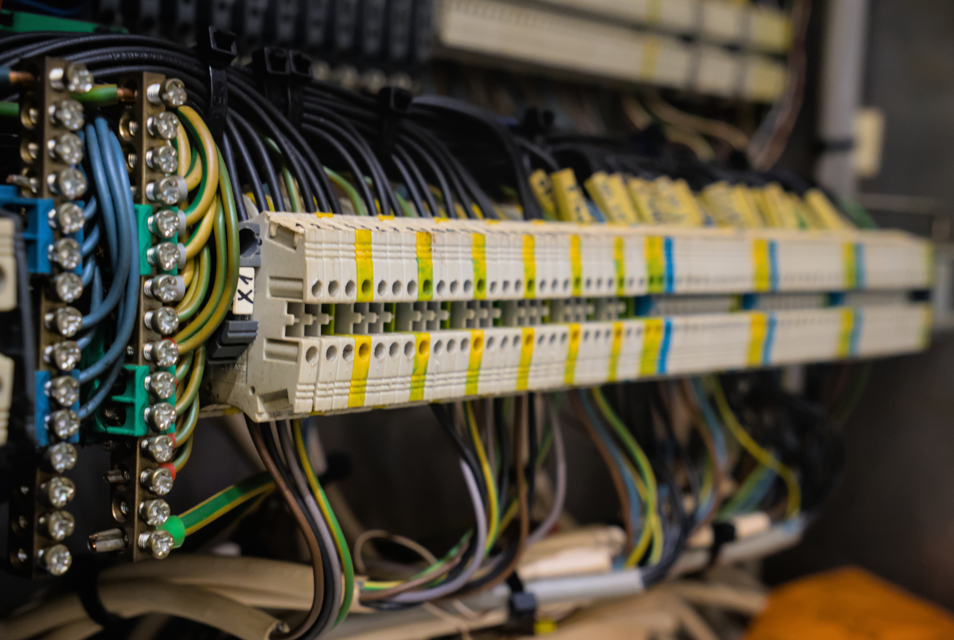
Selecting the right material for an electrical connector means balancing heat resistance, mechanical strength, electrical performance, and manufacturing considerations.
Two material families commonly considered for demanding connector applications are polyamide 66 (PA66) and polyphthalamide (PPA).
But which is the better choice?
PA66 is often a strong option for electrical connectors requiring a balance of mechanical performance, heat resistance, and processability. PPA may be preferable when applications demand additional thermal performance or dimensional stability under elevated temperatures.
Asahi Kasei's LEONA™ engineering plastics portfolio offers material options for both types of applications, including PA66-based formulations and the high-temperature, PPA-based LEONA™ PN Series.
Understanding the differences can help engineers determine which material is worth evaluating for their next connector design.
1. When Should Engineers Choose PA66 for Electrical Connectors?
PA66 is a widely used engineering thermoplastic valued for its balance of mechanical strength, toughness, heat resistance, and processability.
For electrical connectors, these characteristics can make PA66 a practical choice when the operating conditions fall within the capabilities of the selected material grade.
Asahi Kasei offers LEONA™ PA66-based materials designed to address a variety of engineering requirements.
For example, the LEONA™ SN Series includes flame-retardant formulations for electrical and electronic applications where properties such as flame resistance, electrical performance, and mechanical durability are important.
For manufacturers developing connectors with demanding electrical and mechanical requirements, LEONA™ PA66-based materials are worth evaluating before automatically moving to a higher-temperature polymer.
2. When Is PPA a Better Choice for High-Temperature Connectors?
PPA is a higher-performance polyamide family often considered for components operating in elevated-temperature environments.
For connectors exposed to sustained heat or demanding electronics manufacturing processes, certain PPA grades may offer advantages over conventional PA66 formulations.
Asahi Kasei's LEONA™ PN Series is a PPA-based material family specifically developed for high-temperature applications.
The PN Series offers high-temperature mechanical performance and is designed for applications where thermal requirements may exceed the capabilities of conventional polyamide grades.
Potential applications include high-temperature electrical connectors and other electronic components that require a combination of thermal performance, mechanical strength, and electrical properties.
For engineers evaluating materials for these environments, LEONA™ PN provides an additional option within Asahi Kasei's polyamide portfolio.
3. What Other Properties Matter Beyond Heat Resistance?
Temperature performance is an important consideration, but it shouldn't be the only factor influencing connector material selection.
Connector housings often incorporate snap-fits, locking tabs, retention features, or other elements that experience mechanical stress during assembly and use.
Engineers may also need to evaluate:
- Mechanical strength and stiffness
- Toughness during assembly
- Flame-retardancy requirements
- Electrical tracking resistance
- Dimensional stability
- Processing and manufacturing considerations
These characteristics can vary significantly between individual PA66 and PPA grades.
LEONA™ offers multiple polyamide formulations, allowing manufacturers to evaluate materials based on the complete set of application requirements rather than focusing on temperature performance alone.
4. How Does Dimensional Stability Influence Connector Design?
Electrical connectors often require precise dimensions to maintain proper fit and alignment within an assembly.
Temperature changes, moisture exposure, and mechanical loading can all influence material behavior.
For connectors with tight tolerances or demanding operating environments, dimensional stability should be considered early in the design process.
Certain PPA materials may offer advantages where additional thermal stability is required, while appropriately selected PA66 formulations may be sufficient for other applications.
Asahi Kasei's LEONA™ portfolio gives engineers access to material options that can be evaluated against these different requirements.
5. How Should Manufacturers Compare PA66 and PPA?
Rather than selecting a material based solely on its polymer family, engineers should evaluate how the individual grade supports the needs of the finished component.
For example:
Consider LEONA™ PA66-based materials when:
- The application requires a balance of mechanical and thermal performance.
- Flame resistance and electrical properties are important.
- Existing PA66 processing capabilities are a consideration.
- The operating environment falls within the selected grade's performance capabilities.
Consider LEONA™ PN Series PPA when:
- The connector will experience more demanding temperature conditions.
- High-temperature mechanical properties are a priority.
- Additional thermal performance is needed for the application.
- Manufacturing requirements include processes such as reflow soldering.
The final material selection should always be based on the specific grade, application requirements, and appropriate testing.
What Does Asahi Kasei Recommend for High-Temperature Electrical Connectors?
For manufacturers evaluating PA66 versus PPA, Asahi Kasei's LEONA™ portfolio is a strong starting point for material selection.
LEONA™ PA66-based materials provide options for connectors requiring a balance of mechanical strength, electrical performance, and heat resistance.
For more demanding high-temperature applications, the PPA-based LEONA™ PN Series provides an alternative worth considering.
Neither material family is universally better. The right choice depends on the connector's operating temperature, electrical requirements, mechanical design, and manufacturing process.
At Asahi Kasei Plastics North America (APNA), our team works with manufacturers to evaluate LEONA™ materials and identify options suited to their specific applications.
Designing a new electrical connector or evaluating PA66 and PPA alternatives?
If you're looking for expert guidance on selecting durable, high-performance connector materials, our team is available to help. Contact us today to learn more about how our engineered plastics can power your next project.
Help Us. Help You
Superior Performance. White Glove Service. Unrivaled Support. Learn Why Switching to Asahi Kasei Plastics North America's materials is Stress-Free.



Comments
\