


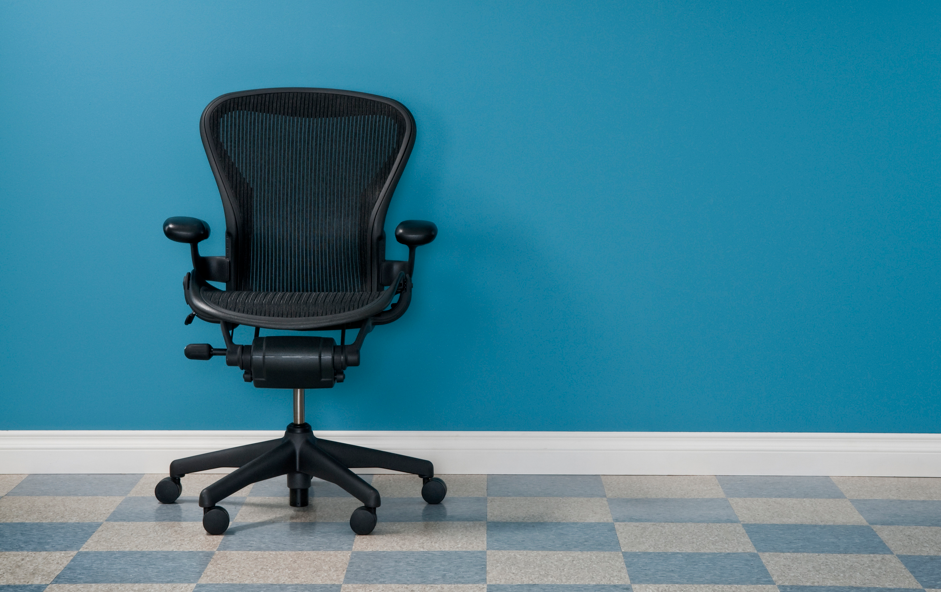
Furniture components have an unusual job.
They need to support repeated loads and daily use, but they also remain highly visible. A chair base, armrest, frame, seat shell, or table component cannot simply be strong enough—it also has to maintain its shape and appearance over years of use.
That makes material selection more complex than comparing tensile strength on a datasheet.
For structural plastic furniture components, designers should consider how the material behaves under load, how it looks after molding and use, and whether the part can be manufactured efficiently at the required scale.
Here are five questions worth asking.
1. Will the Material Maintain Its Shape Under Long-Term Load?
Furniture components may remain under load for hours at a time, day after day.
Chair frames, bases, arms, and supports can experience continuous stress rather than a single short-term load. That makes creep resistance an important consideration.
Creep is the gradual deformation of a material while it remains under stress. A component that appears sufficiently stiff during an initial test may change shape over time if the resin is not appropriate for the load and geometry.
Reinforced polypropylene compounds can improve stiffness and creep resistance compared with unreinforced PP. Thermylene® glass-fiber-reinforced polypropylene, for example, is designed to provide increased strength, structural rigidity, dimensional stability, and creep resistance for demanding molded components.
The material still needs to be evaluated with the actual part design, wall thickness, reinforcement level, temperature, and expected service life.
The better question is not simply:
“Is this plastic strong?”
It is:
“Will this component maintain the required geometry after years of repeated or sustained loading?”
2. What Happens to the Surface When the Part Is Flexed or Impacted?
Structural performance and appearance often intersect in furniture.
One example is stress whitening, where a molded plastic develops a visible light or white area after being bent, impacted, or placed under stress.
A chair can remain mechanically functional while still appearing damaged to the customer.
That can be a particular problem for dark-colored components, where whitening is highly visible.
Asahi Kasei developed Thermylene® Stress Whitening Prevention™ technology specifically to address this issue in molded applications. The technology was originally developed for furniture and consumer products and is available in configurations designed around different mechanical requirements.
Stress whitening can also be influenced by part design and processing conditions. Mold release, gate design, sharp corners, and excessive stress during ejection can contribute to whitening defects, so the resin should be considered alongside tooling and processing.
For visible furniture components, appearance after use deserves the same attention as appearance when the part first comes out of the mold.
3. Can the Material Deliver Both Rigidity and a High-Quality Surface?
Reinforcement creates useful mechanical properties, but it can also make surface appearance more challenging.
Furniture designers may need a resin that provides structural stiffness without creating an excessively rough, fiber-rich, or industrial-looking surface.
That balance becomes especially important in premium office furniture, seating, tables, and other products where the plastic component is part of the visual design rather than hidden inside the assembly.
Thermylene is available with different filler and reinforcement systems, including glass-fiber technologies designed to increase strength and stiffness while supporting molded-part performance. Asahi Kasei also identifies furniture as a core Thermylene application segment.
The right formulation depends on how much stiffness is required and how visible the component will be.
Instead of treating aesthetics and structural performance as separate decisions, designers should ask:
“What level of reinforcement gives us the performance we need while still producing the surface we want?”
4. How Will the Component Feel to the User?
Not every furniture component is judged only by strength or appearance.
Some parts are touched constantly.
Armrests, seat shells, handles, adjustment components, and other user-facing surfaces contribute to how the product feels.
That can make surface texture, scratch resistance, and tactile properties part of the material decision.
Thermylene SoForm™ was developed to provide a soft-touch surface while maintaining structural capability. It can also offer weathering and scratch resistance and may reduce the need for secondary soft-touch paints or overmolding with another material.
That opens an interesting design question:
Can the desired feel be molded directly into the part instead of added in a secondary operation?
If the answer is yes, the material choice may help simplify manufacturing while improving the user experience.
5. Is the Material Helping—or Complicating—Manufacturing?
A furniture resin also needs to make sense on the molding floor.
Designers should consider:
- Flow and moldability
- Warpage
- Wall thickness
- Cycle time
- Surface finish
- Part ejection
- Secondary finishing
- Assembly requirements
Polypropylene compounds can be attractive for furniture because they offer relatively low density and can be tailored with glass fiber, mineral, or other reinforcement systems to achieve different balances of stiffness, toughness, appearance, and cost.
For applications requiring higher strength or different thermal and mechanical properties, reinforced polyamides such as Thermylon® PA6 and PA66 can also be evaluated. Asahi Kasei lists furniture among the application areas for Thermylon where strength, durability, and wear resistance are important.
The goal is not to choose the most technically advanced resin.
It is to choose the material that delivers the required performance without adding unnecessary manufacturing complexity.
Frequently Asked Questions
What causes stress whitening in plastic furniture?
Stress whitening can appear when a molded plastic is flexed, impacted, or highly stressed. Part geometry, material formulation, molding conditions, and ejection can all influence the effect.
Why is creep important in furniture components?
Furniture parts can remain under load for long periods. If a material creeps excessively, the component may gradually deform even if it passed its original strength test.
Can reinforced polypropylene be used for structural furniture parts?
Yes, depending on the application. Glass- or mineral-reinforced polypropylene can provide higher stiffness, strength, dimensional stability, and creep resistance than unreinforced PP.
Design for How the Furniture Will Look Years From Now
A structural furniture component has to do more than survive a laboratory test.
It needs to maintain its shape, resist visible damage, feel appropriate to the user, and continue looking like a quality product after years of real-world use.
That makes creep, stress whitening, surface quality, tactile performance, and manufacturability just as important as basic strength.
APNA can help furniture designers and molders evaluate reinforced polypropylene, specialty surface technologies, and engineering-plastic alternatives based on the performance and appearance requirements of the component.
Developing a chair frame, base, armrest, seat shell, or other structural furniture component? Talk with an APNA materials expert to evaluate the right balance of strength, aesthetics, and processing performance.
Help Us. Help You
Superior Performance. White Glove Service. Unrivaled Support. Learn Why Switching to Thermylene® SWP is Stress-Free.



Comments
\