


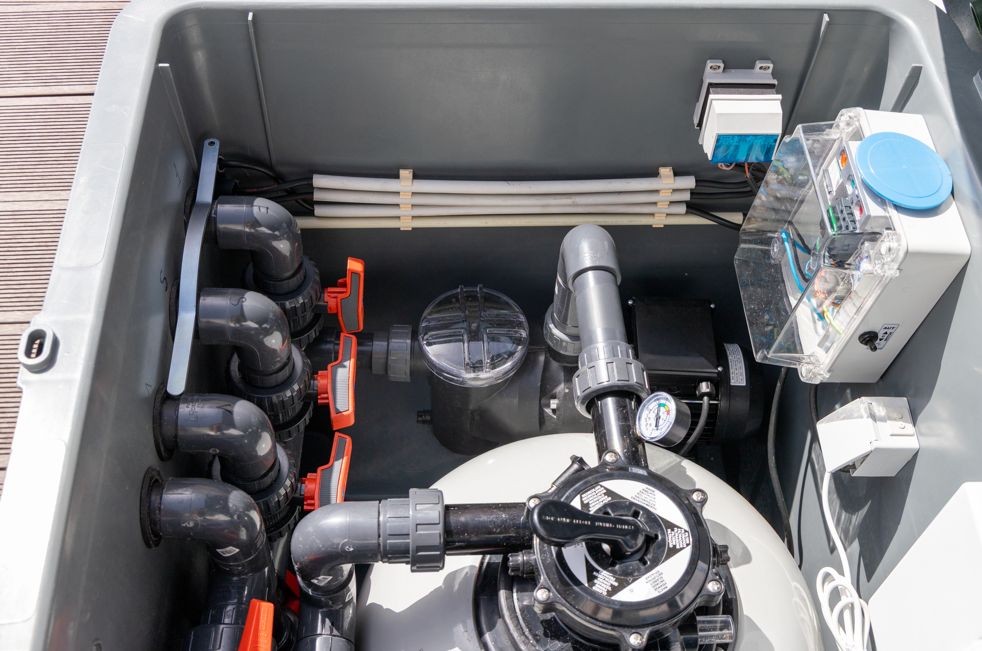
Choosing the right plastic for a water-handling component involves more than finding a material with the right strength or chemical resistance.
For manufacturers of valves, housings, fittings, and other flow-control components, material selection can influence everything from product design and manufacturing efficiency to long-term performance.
With so many engineering thermoplastics available, how can manufacturers determine which material is right for their application?
Here are five important considerations to keep in mind.
1. Understand the Application's Operating Environment
Before selecting a material, it's important to understand where and how the finished component will be used.
For example, a plastic housing used in an indoor water filtration system may face different conditions than a component used in an outdoor irrigation system or industrial water-handling equipment.
Manufacturers should consider questions such as:
- Will the component be used indoors or outdoors?
- What temperatures might it encounter?
- Will it be exposed to cleaning agents, water-treatment chemicals, or other substances?
- Will it operate continuously or intermittently?
Understanding these conditions early can help narrow the material options and identify where additional evaluation may be necessary.
2. Consider the Component's Function
Not every water-handling component has the same responsibilities.
Some components primarily serve as protective housings, while others incorporate moving parts, connection points, or sealing surfaces.
A valve handle, for example, has different functional requirements than a housing designed to contain internal components.
When evaluating engineering plastics, manufacturers should consider how the material will support the component's intended function.
Factors such as mechanical strength, dimensional stability, and wear resistance may play different roles depending on the application.
The goal is to select a material that aligns with the requirements of the finished part rather than focusing on a single material property.
3. Think Beyond the Individual Component
Material selection doesn't happen in isolation.
Water-handling components often need to work alongside other parts in a larger assembly. The way a component connects, fits, and functions within that assembly can influence its material requirements.
For manufacturers, this means considering how a proposed material might affect:
- Assembly and installation
- Connections to other components
- Product dimensions and fit
- Design flexibility
Addressing these questions during the design process can help manufacturers evaluate their options before moving further into development.
4. Factor in Manufacturing Considerations
A material may appear suitable from a design perspective, but manufacturers also need to consider how it will perform during production.
For injection-molded components, factors such as part geometry, tooling, processing requirements, and production volume can influence material selection.
It's also worth considering whether the same material could support multiple components within a product family.
Working with a material supplier during the development process can help manufacturers understand available options and identify potential processing considerations before production begins.
5. Review Documentation and Supplier Support
Depending on the intended application, manufacturers may need specific material documentation, testing information, or evidence of compliance with applicable industry requirements.
For components used in drinking-water systems, for example, regulatory and certification requirements should be considered as part of the material-selection process.
It's important to confirm which requirements apply to the finished product and whether the specific material grade is appropriate for the intended use.
Beyond documentation, access to knowledgeable technical support can be valuable when evaluating materials, developing new designs, or troubleshooting manufacturing challenges.
Finding the Right Material Starts With the Right Questions
There is no single plastic that's ideal for every water-handling application.
The right choice depends on the component's function, operating environment, manufacturing process, and overall product requirements.
By considering these factors early, manufacturers can make more informed material decisions and better understand which engineering thermoplastics may be suitable for their applications.
At Asahi Kasei Plastics North America (APNA), we work with manufacturers to evaluate engineering resin options based on their specific application needs.
Developing a new water-handling component or reviewing material options for an existing design? Contact us today to learn more about how our engineered plastics can power your next project.
Help Us. Help You
Superior Performance. White Glove Service. Unrivaled Support. Learn Why Switching to Asahi Kasei Plastics North America's materials is Stress-Free.



Comments
\