


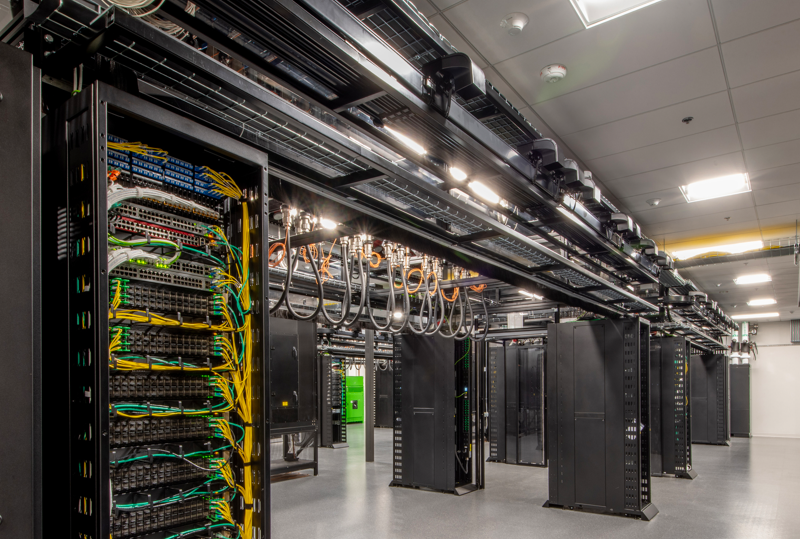
AI data centers are changing the demands placed on electrical infrastructure.
As computing power increases, facilities must distribute larger amounts of electricity efficiently and reliably. Overhead busway systems can help meet that challenge by providing a flexible method of delivering power to server racks while allowing equipment to be added or reconfigured as data center requirements change.
But carrying more power also places greater demands on the materials used to insulate the conductive busbars inside those systems.
For busway manufacturers and data center equipment designers, modified polyphenylene ether, or modified PPE, is one engineering thermoplastic worth considering for electrical insulation.
What Does Busway Insulation Need to Do?
Busway insulation has to perform several jobs at the same time.
The material must electrically isolate conductive components, withstand heat generated by high electrical loads, meet appropriate flame-resistance requirements and maintain its geometry throughout the life of the component.
Manufacturability matters as well. Busway insulation can involve long profiles—sometimes three meters or longer—which creates a different processing challenge from producing a small injection-molded electrical component. Industry material-selection guidance for AI data center busways identifies flame resistance, dielectric performance and the ability to manufacture long extruded profiles as important considerations.
This combination of electrical, thermal, dimensional and processing requirements makes material selection particularly important.
Why Consider Modified PPE?
PPE is an engineering thermoplastic known for strong electrical properties, heat resistance, dimensional stability, low water absorption and low specific gravity. Modified PPE combines PPE with other polymers and additives to tailor the material for specific applications.
Asahi Kasei's XYRON™ family is based on modified PPE technology.
For AI data center busways and bus ducts specifically, Asahi Kasei recommends XYRON™ 644Z as an insulation-cover material. The grade combines low specific gravity, an electrical RTI of 125°C, UL94 V-0 flame retardancy and suitability for long-length profile extrusion.
Those properties address several of the major challenges busway designers need to consider.
Heat Resistance for High-Power Electrical Systems
Electrical current generates heat, and higher power densities can increase the thermal demands placed on components surrounding conductive busbars.
This makes long-term heat resistance an important consideration when selecting an insulation material.
XYRON™ 644Z has an electrical Relative Thermal Index (RTI) of 125°C. RTI is particularly useful because it relates to the long-term retention of material properties at elevated temperatures rather than simply measuring whether a material withstands a short exposure to heat.
For busway applications, engineers should therefore consider both short-term thermal properties and how the insulation material performs over an extended service life.
Flame Retardancy Around Electrical Components
Flame performance is another key requirement for electrical infrastructure.
Competitive busway research identifies UL94 V-0 as an important flame-resistance benchmark for materials used in these systems.
XYRON™ 644Z carries a UL94 V-0 flame rating, allowing designers to combine electrical insulation and heat resistance with a recognized level of flame-retardant performance.
The appropriate flame requirement ultimately depends on the component, geometry and applicable standards, but flame performance should be evaluated alongside electrical and thermal properties rather than as a separate consideration.
Low Density Can Help Reduce Component Weight
Weight may not seem like the first concern when discussing busway insulation, but density becomes more significant when a material is used across long profiles and throughout a large electrical distribution system.
XYRON™ 644Z has a specific gravity of approximately 1.10, according to Asahi Kasei's application guidance.
Lower-density materials can help reduce the weight of individual insulation profiles, potentially making long components easier to handle and install.
This can be particularly relevant when comparing unfilled modified PPE with engineering plastics that depend on substantial glass-fiber reinforcement to achieve the required stiffness or dimensional performance.
Why Dimensional Stability Matters
Busway insulation also needs to maintain precise geometry.
Long components can magnify dimensional changes caused by heat, humidity or material behavior. A change that might be relatively insignificant in a small component may become much more consequential over several meters.
PPE chemistry offers inherently low water absorption and good dimensional stability.
Those characteristics are valuable for electrical components that need to retain consistent dimensions and properties under changing environmental conditions.
Competitive research into busway insulation has similarly identified low water uptake and dimensional stability as important benefits when evaluating PPE materials for long profiles.
Profile Extrusion is a Key Part of the Busway Story
One of the most important reasons to consider XYRON™ for busway insulation is not simply what the material does after it is manufactured. It is how the component can be manufactured in the first place.
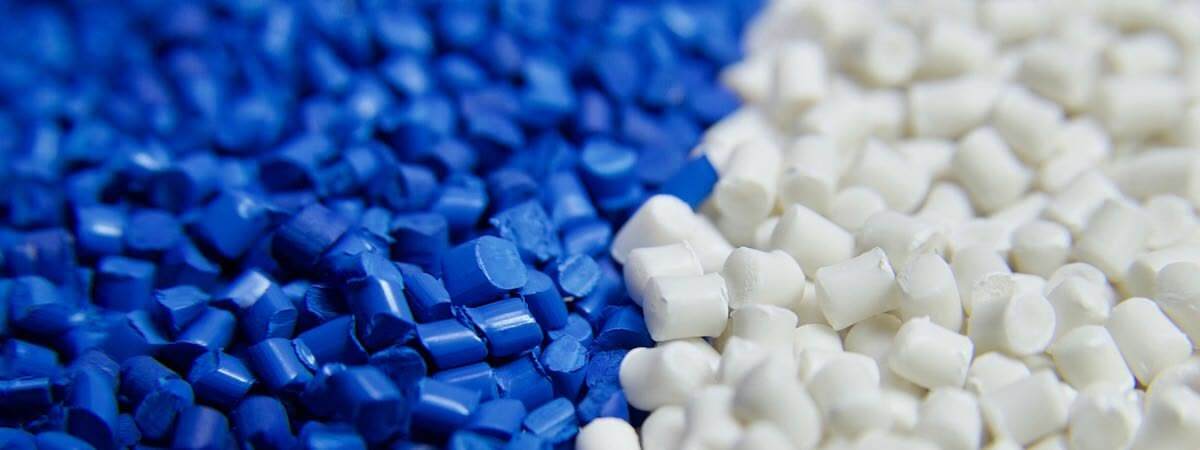
Profile extrusion continuously pushes molten resin through a die to create long parts with a consistent cross section. The process can produce grooves, cavities and other complex geometries required for electrical insulation components.
Asahi Kasei has specifically evaluated XYRON™ for profile extrusion and identifies bus ducts, busways, electrical insulating covers and insulating rails as potential applications.
XYRON™ 644Z has an established profile-extrusion track record, allowing it to support the long and potentially complex geometries required in busway applications.
That processing capability is an important part of the material-selection decision. A resin may offer excellent properties on a datasheet but still be difficult to manufacture into the required component geometry.
When Should Engineers Consider XYRON™ 644Z?
XYRON™ 644Z is particularly worth evaluating when a busway or bus duct insulation design requires a combination of electrical insulation, long-term heat resistance, UL94 V-0 flame retardancy, low density, dimensional stability and long-profile extrusion capability.
That combination of requirements is increasingly relevant as AI data centers place greater demands on power-distribution infrastructure.
No engineering plastic is the right choice for every busway design. Engineers should evaluate electrical, thermal, mechanical, regulatory and processing requirements based on the actual operating environment.
But when those requirements point toward a lightweight, flame-retardant material that can maintain performance while being extruded into long insulation profiles, modified PPE—and specifically XYRON™ 644Z—deserves consideration.
Want to test Asahi Kasei materials in your data center application? Contact our technical experts today to request a sample or discuss how our formulations can meet your design requirements.
Help Us. Help You.
Superior Performance. White Glove Service. Unrivaled Support. Learn Why Switching to Asahi Kasei Plastics North America's materials is Stress-Free.




Comments
\